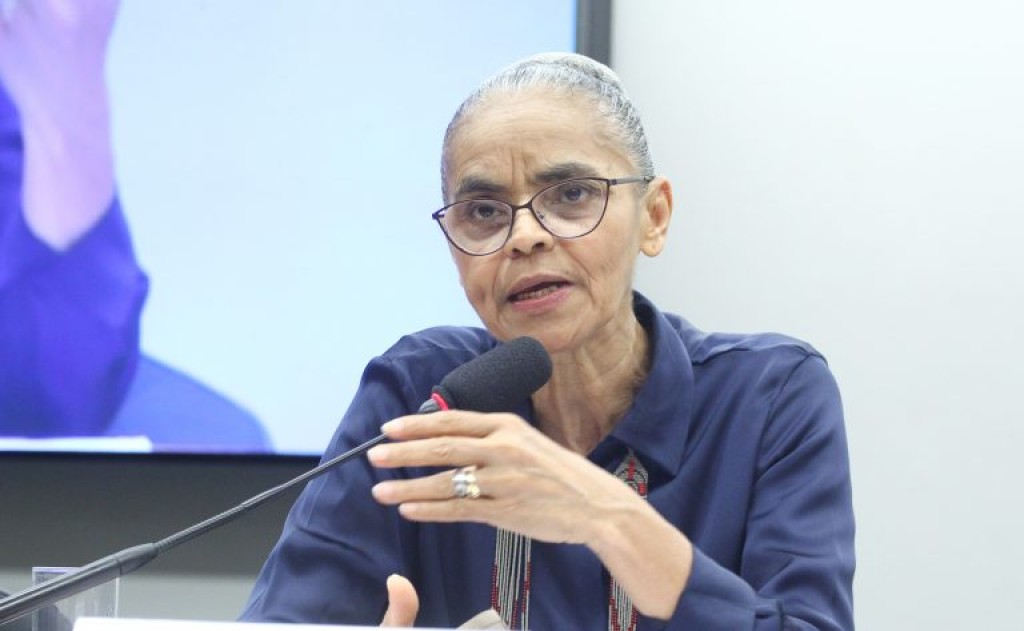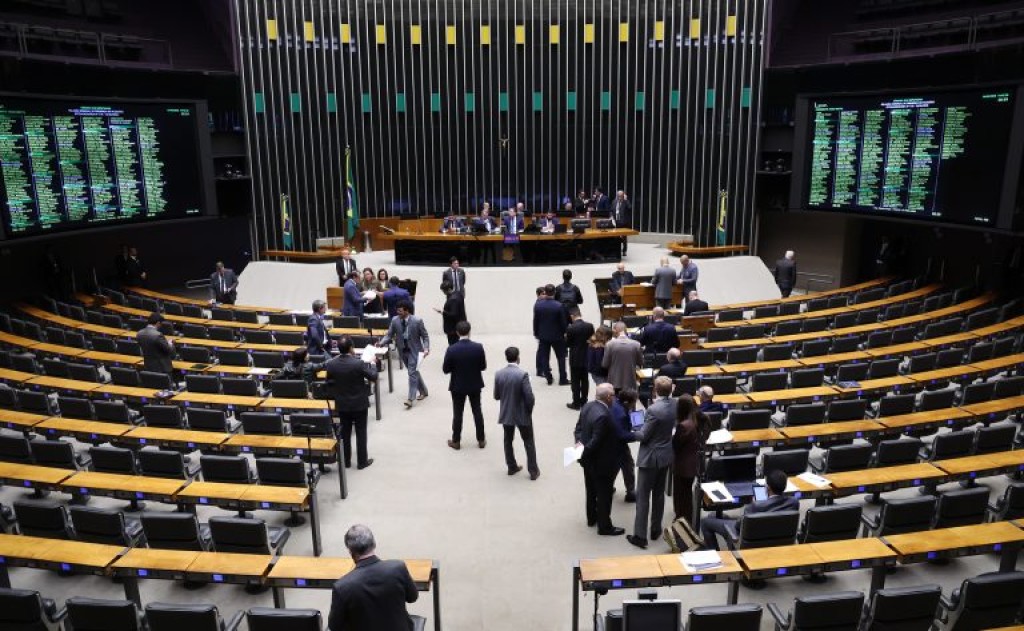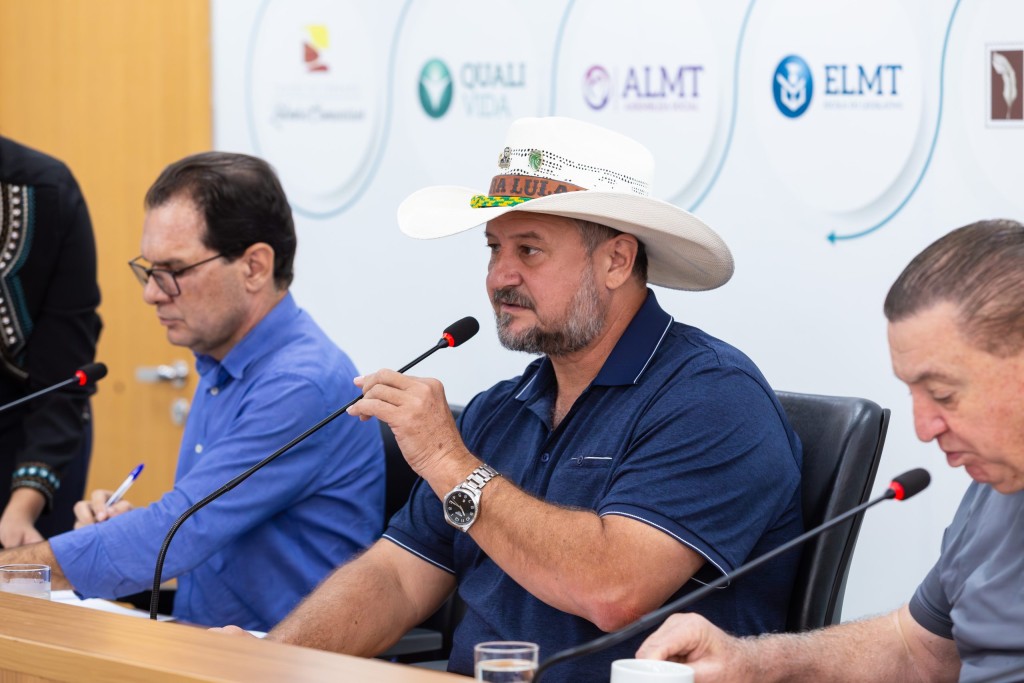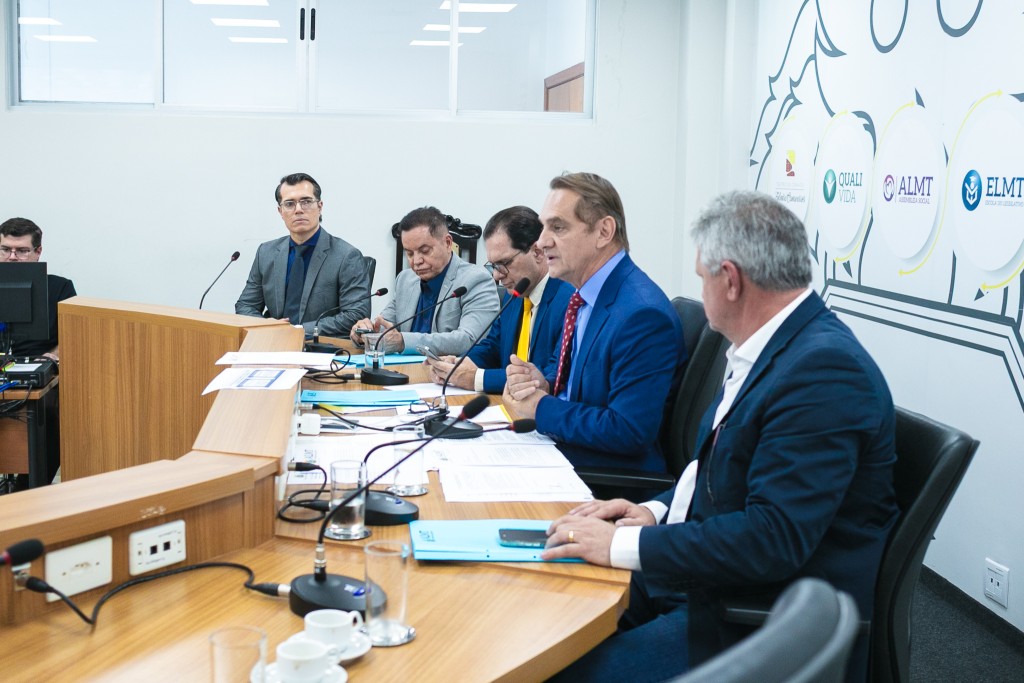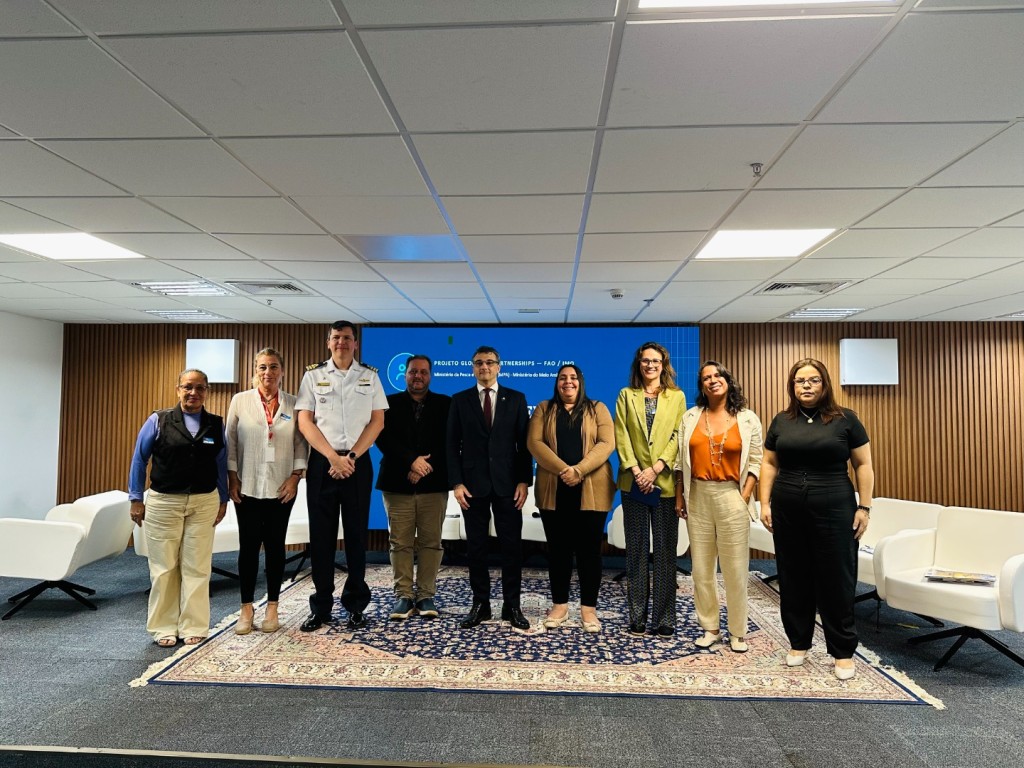
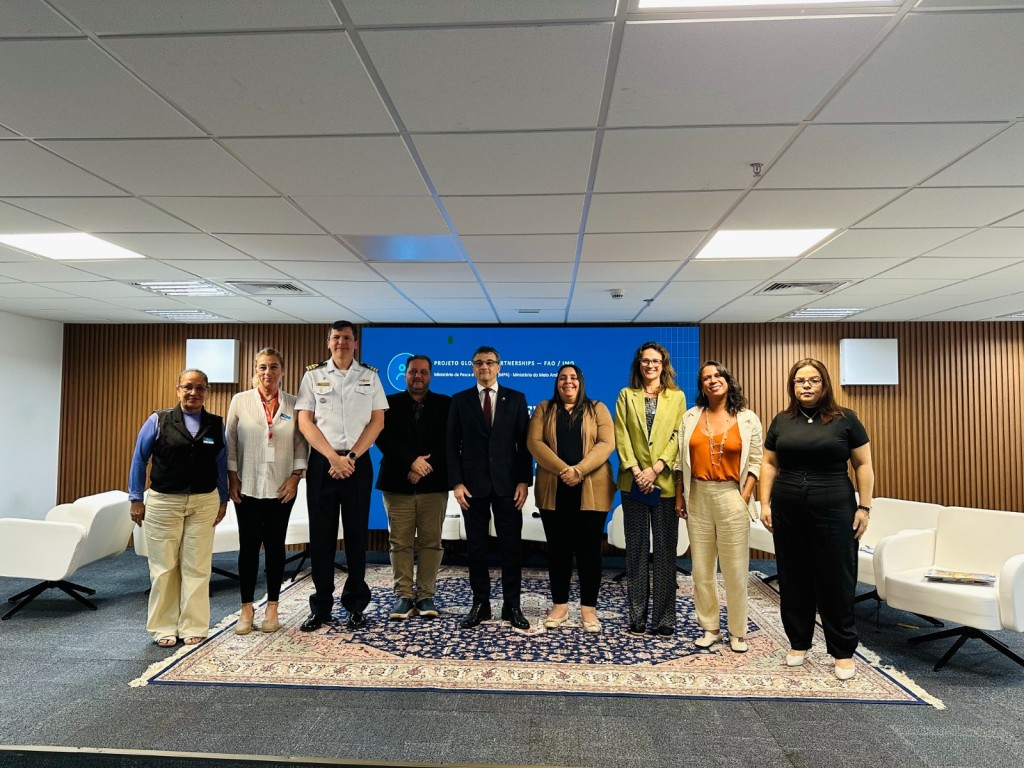

The Ministério da Pesca e Aquicultura (MPA) held a debate for the joint development of public policies on the management of lost, abandoned, or discarded fishing equipment this Tuesday (16), in Brasília. Representatives from the Ministério do Meio Ambiente e Mudança do Clima (MMA), the United Nations Food and Agriculture Organization (FAO-UN), the Marinha do Brasil, the Deutsche Gesellschaft für Internationale Zusammenarbeit (GIZ), the Conselho Nacional da Pesca e Aquicultura (CONAPE) and the Rede de Mulheres Pescadoras da Costa dos Corais attended the event.
The event kicked off with the National Workshop for Training and Collective Building of Normative Paths on Lost, Abandoned, or Discarded Fishing Gear in Brazil. The initiative is part of the GloLitter Partnerships project, which is led by FAO and the International Maritime Organization (IMO) in partnership with the ministry. It also has support from the MMA.
The issue in the world is estimated that about 15% of total marine litter comes from sea-based sources such as fisheries, shipping, recreation, oil and gas industry, and others. Litters have devastating effects on our oceans, marine life and human health. Reducing and preventing fishing-related litter is vital to safeguard the sustainability of our oceans.
With this, the Federal Government reinforces the dialogue to discuss challenges and collectively build support for improving the management of fishing-related litter. The reduction of any fishing gear or fishing-related trash that gets dumped into the sea, the conservation of aquatic ecosystems and the strengthening of fishery and ocean governance in the country are also among the workshop’s goals.
The first phase is about leveling ideas, then come the discussion circles, and finally, the systematization and agreement will take place.
Clique aqui para ler a versão em Português
Élen Gorski
Ana Célia Costa
Ministério da Pesca e Aquicultura